

Vertical Lift Modules vs. Traditional Storage: Which Is Best?
Selecting the right storage system can make or break your warehouse operations. The choice between vertical lift modules and traditional storage methods affects everything from floor space utilization to labor costs and picking accuracy. Both systems have their place in modern facilities, but understanding their strengths and limitations is essential for making an informed decision. Below, we’ll examine the pros and cons of VLM vs. traditional storage, helping you determine which solution aligns best with your operational needs and budget.
What’s the Difference Between Traditional Storage and VLM?
Traditional storage, such as shelving units, pallet racks, and manual retrieval systems, has been the backbone of warehousing for decades. These systems are familiar, relatively affordable, and flexible enough to adapt to various inventory types. However, they come with limitations, particularly when it comes to maximizing space and reducing labor demands.
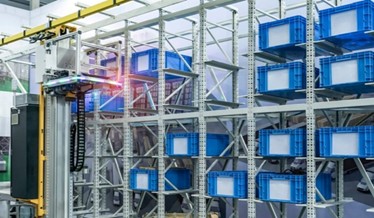
Automated vertical storage, or vertical lift modules, represents a modern alternative. These systems use technology to deliver items automatically to operators, reducing manual handling and optimizing vertical space. While the initial investment is higher, the long-term benefits in efficiency and space saving can be substantial.
Storage Mechanism
Traditional storage relies on horizontal space. Shelving units and pallet racks are arranged in rows with aisles in between, allowing workers or forklifts to access items manually. This layout is straightforward and works well for facilities with ample floor space, but it becomes inefficient as inventory grows. Expanding a traditional system typically means adding more aisles, which requires a larger footprint.
Vertical lift modules take a different approach by maximizing height rather than floor area. These enclosed systems stack inventory trays vertically within a compact unit. When an operator requests an item, the system automatically retrieves the appropriate tray and delivers it to an ergonomic access point. This design dramatically reduces the amount of floor space required for storage while increasing capacity.
Accessibility and Ergonomics
With traditional storage, accessibility depends mainly on the physical layout. Workers must walk through aisles to locate items, which can be time-consuming in large facilities. Retrieving items from high shelves often requires ladders or lifting equipment, which introduces safety concerns and slows down operations.
Warehouse inventory storage systems, such as VLMs, eliminate these challenges. Items are automatically brought to the operator at a comfortable working height, reducing physical strain and improving safety. This ergonomic advantage not only protects workers but also speeds up picking processes, as employees spend less time searching for and reaching items.
Technology Integration
Traditional systems typically operate with minimal technology. Inventory tracking may involve manual counts, barcode scanners, or basic warehouse management software. While these methods can work, they’re prone to human error and offer limited real-time visibility into stock levels.
VLMs integrate seamlessly with advanced warehouse management systems. They provide real-time inventory tracking, automated reordering alerts, and detailed reporting on retrieval activities. Many systems also include user authentication features that enhance security and accountability. This level of integration supports more accurate inventory control and better decision-making.
Pros and Cons of Each Storage Solution
Each storage solution offers distinct advantages and presents unique challenges. Weighing these factors against your operational requirements is essential. Here are the pros and cons of each type of storage method:
Traditional Storage Pros
- Lower Initial Cost – Traditional shelving and pallet racks require a smaller up-front investment compared to automated systems. This makes them accessible for small to medium-sized businesses or those with limited capital budgets.
- Simplicity – Traditional storage doesn’t require specialized training or complex software. Most workers can navigate these systems with minimal instruction, reducing onboarding time.
- Versatility – Shelving and pallet racks accommodate a wide range of item sizes and types, from small parts to large, bulky products. This adaptability makes traditional systems suitable for diverse inventory profiles.
Cons of Traditional Storage
- Space Inefficiency – Horizontal storage requires significant floor area, especially as inventory grows. Aisles take up valuable space that could otherwise be used for storage or other operations.
- Labor Intensity – Manual retrieval is time-consuming and physically demanding. Workers must walk long distances, climb ladders, and handle heavy items, which increases fatigue and the risk of injury.
- Higher Error Rates – Manual processes are more susceptible to picking errors. Mislabeled items or incorrect retrievals can lead to fulfillment mistakes and customer dissatisfaction.
Vertical Lift Module Pros
- Maximized Space Utilization – Space-saving warehouse solutions like VLMs use vertical space efficiently, reducing the footprint required for storage by up to 85%. This is particularly valuable in urban areas where real estate costs are high.
- Increased Productivity – Automation speeds up retrieval times, allowing operators to process more orders in less time. Studies show that VLMs can reduce picking times by up to 66% compared to manual systems.
- Better Inventory Control – Real-time tracking and reporting provide visibility into stock levels, helping prevent stockouts and overstock situations.
Cons of Vertical Lift Modules
- Higher Up-Front Cost – VLMs require a greater initial investment, which can be a barrier for smaller businesses or those with tight budgets.
- Complexity – These systems require specialized installation and integration with existing warehouse management software. Implementation can take time and may temporarily disrupt operations.
- Maintenance Requirements – Automated systems have mechanical and electronic components that need regular maintenance. While modern VLMs are highly reliable, unexpected breakdowns can halt operations until repairs are made.
Ideal Applications for Traditional Storage and Vertical Lift Modules
Traditional storage excels in environments where flexibility and low initial costs are paramount. Small to medium-sized warehouses with stable inventory levels and ample floor space can benefit from the simplicity and adaptability of shelving and pallet racks. These systems also work well for businesses storing oversized or irregularly shaped items that don’t fit within the constraints of automated systems.
Vertical lift modules are ideal for facilities facing space constraints or high labor costs. E-commerce fulfillment centers, manufacturing plants, and pharmaceutical warehouses benefit significantly from the speed, accuracy, and space efficiency that VLMs provide. Businesses experiencing rapid growth can also leverage VLMs to scale operations without expanding their physical footprint.
Optimize Your Storage Strategy Today
The decision between traditional storage and vertical lift modules isn’t simply about choosing between old and new technology. It’s about aligning your storage infrastructure with your business goals, operational demands, and growth trajectory.
Assess your current space utilization, labor costs, and error rates. Consider how each system would support your operational objectives and adapt to changing demands. The proper storage solution should not only meet today’s needs but also position your business for sustained success. For more information about how vertical lift modules can optimize your warehouse efficiency, contact us today at one of our branches in Knoxville, Chattanooga, Nashville or Seattle.